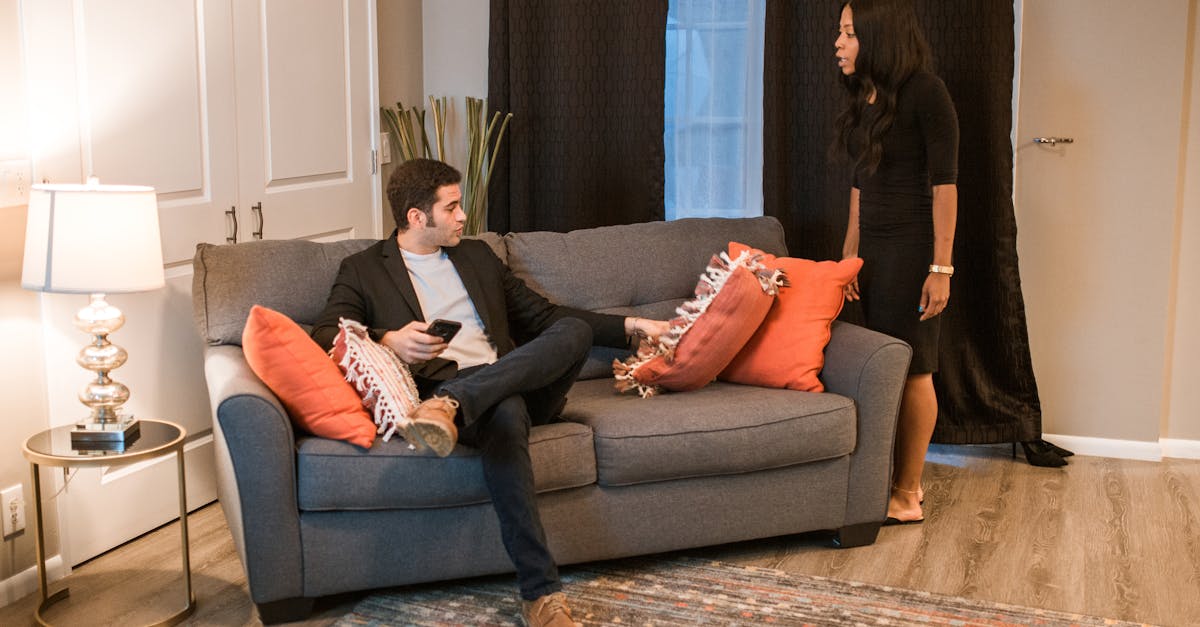
There's a moment a lot of couples describe in the same way. Not a blowup. Just a quiet realization that you've had the same conversation three or four times and nothing changed. You both said your parts. You both felt unheard. And then someone changed the subject.
That's usually when people start wondering if they need couples therapy. And the research says most people ask that question about six years later than they should have.
The signs couples therapists actually look for
Here's what the patterns in a relationship tell us, beyond whether you're fighting a lot.
It's not the frequency of arguments that signals a relationship is in trouble. It's the texture of them. Couples we see often describe the same fight on repeat: different topic, same emotional script. Someone feels dismissed. Someone feels attacked. Someone shuts down. Nothing resolves because the argument was never really about the topic.
The other sign we pay attention to is what researchers call bids for connection: small attempts at closeness, like a comment about your day, a question, a touch. When partners stop responding to these bids, or respond with irritation or silence, the emotional distance builds fast. You can usually feel when it's happening because the relationship starts to feel transactional. You're coordinating schedules. You're not actually connecting.
Other patterns worth noticing:
- Contempt or stonewalling during arguments (rolling eyes, total silence as a weapon, complete withdrawal): these are among the strongest predictors of relationship breakdown in Gottman's research.
- Avoiding hard topics entirely because you already know how the conversation will end.
- Feeling like roommates who share expenses but not much else.
- A significant life event (a loss, a move, a new baby) that shifted things and you never quite found each other again after.
Any one of these is worth bringing into therapy. You don't need all of them.
What couples therapy sessions actually look like
This section covers what happens in the room (or on the screen), because a lot of people hold back because they're not sure what they're signing up for.
The first session is mostly us listening. We ask each of you to share what's been going on, and at points we may ask you to respond separately. We're not building a case for either of you. We're trying to understand the cycle you're both caught in.
In our sessions, the work shifts after the first two or three meetings. Once we've mapped the pattern, we start slowing it down in real time. We'll name what's happening underneath the argument as it unfolds. Often, what looks like a fight about money or chores is actually one person communicating "I don't feel important to you" and not finding a way to say that directly.
Most couples meet weekly. The timeline varies, but somewhere between 10 and 20 sessions is common.
One thing we ask in almost every first session: "What do you wish your partner understood about you that they don't seem to?" The answers almost always change what we end up working on.
- Emotionally Focused Therapy (EFT)
- A structured approach to couples therapy developed by Dr. Susan Johnson. It focuses on identifying the emotional cycle partners get stuck in and shifting it, rather than just teaching communication skills. It's one of the most researched couples therapy models available.
Why most couples wait so long
This is the part worth sitting with.
The average couple waits 6 years after serious problems start before seeking therapy. Six years of the same arguments, the same distance, the same quiet erosion. By the time many couples come in, the patterns are deeply set.
Part of why people wait is the idea that therapy is for relationships that are "really" in trouble. But couples therapy works better before the damage is deep. It's easier to shift a pattern when it's still forming than to reverse one that's been running for years.
The other reason people wait: hoping it'll get better on its own. Sometimes it does. More often, without anything actually changing the dynamic, the relationship just gets quieter and more distant.
When one of you is hesitant
If one of you wants to come in and the other isn't sure, that's a common place to be. The hesitant partner is often worried about being blamed, or saying something wrong, or that the therapist will take sides.
We don't take sides. We're paying attention to the cycle both of you are in, and you're both part of it. The work isn't about proving one person right.
A reluctant partner who shows up willing to try is different from someone who doesn't want things to change. The hesitant partner often finds the first session less threatening than they expected once they realize what it actually involves. If someone genuinely doesn't want the relationship to improve, therapy will surface that too.
A 15-minute phone call before the first session can help someone on the fence. There's no pressure to commit to anything in that call.
Starting when things feel stuck, not broken
You can look into couples therapy at any point. You don't need a crisis. You don't need a specific incident.
We wrote about the communication patterns that tend to precede breakdown in 4 communication patterns that predict relationship problems. If you're recognizing some of those in your relationship, that's worth paying attention to.
If you're ready to take a step, you can start with a free 15-minute consultation. We'll answer any questions you have before the first session.