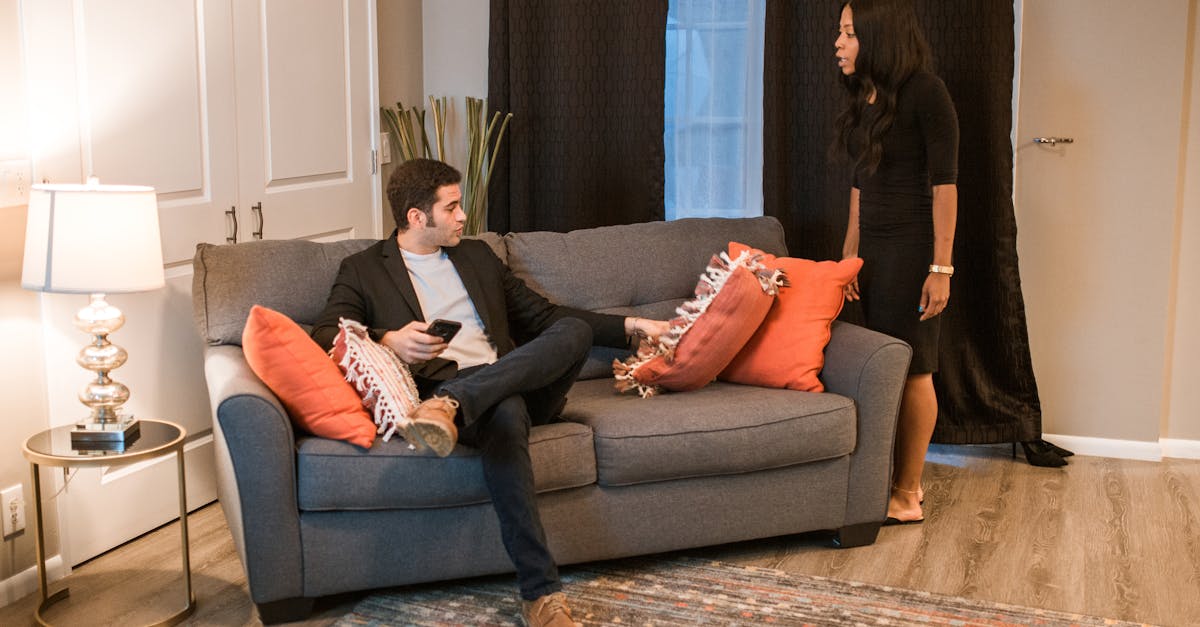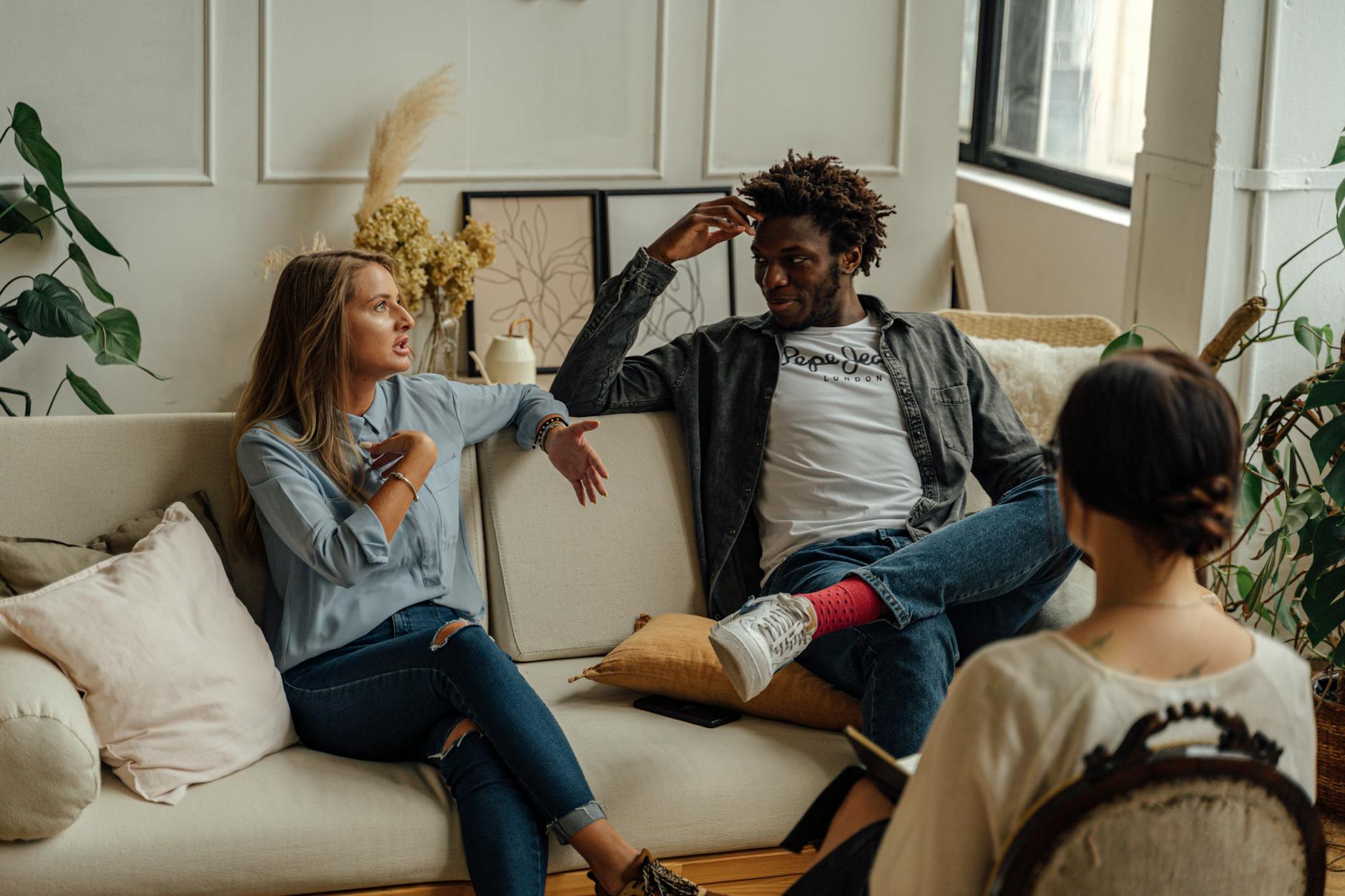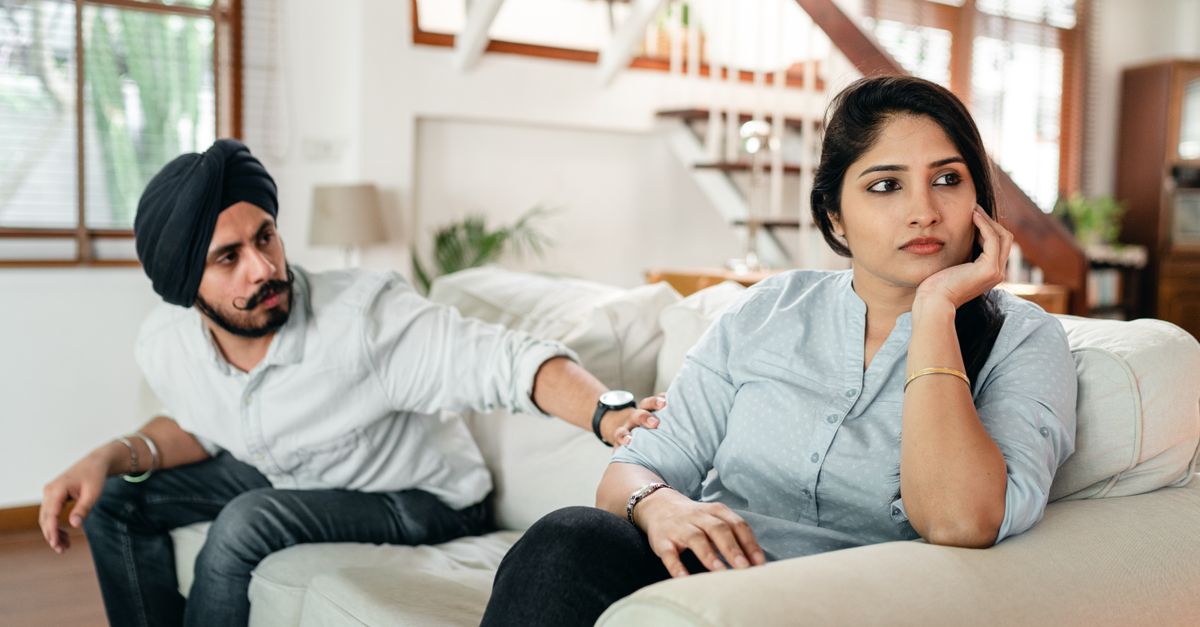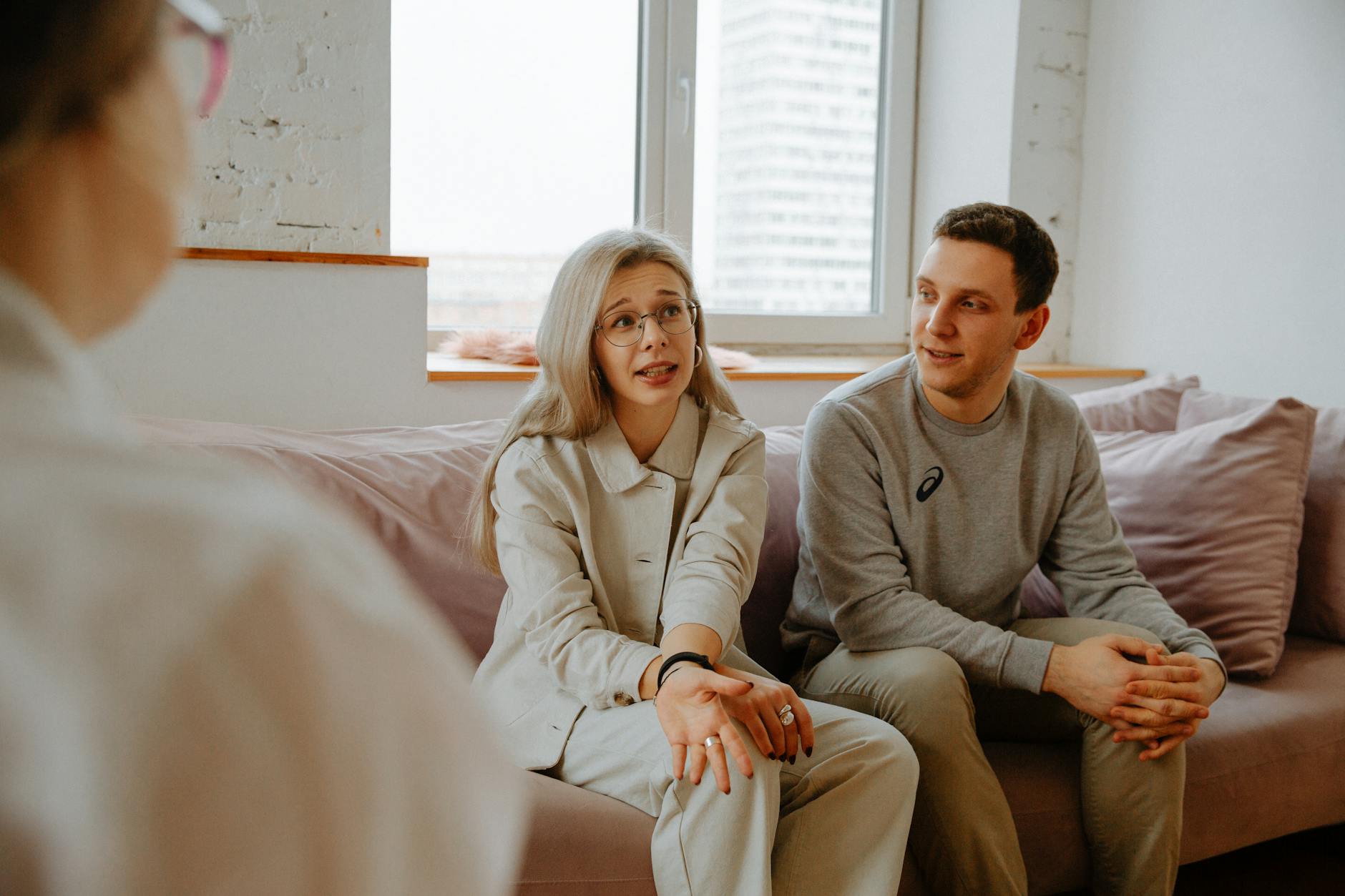
One of you brought up therapy months ago. Maybe it came out during an argument. Maybe it was quieter than that, a link sent without comment.
The other person didn't say no, exactly. They just didn't say yes.
Now the same loop keeps happening. The conversation starts calm, then one person gets sharp, the other shuts down, and suddenly you're both arguing about the argument instead of the thing that hurt.
You can almost predict what the other person will say before they say it. We wrote about those patterns in communication patterns that predict relationship problems, and if that post felt familiar, this one is about what happens when you bring the pattern into therapy.
Does online couples therapy work?
Here's what matters most: the therapist can still see the pattern, even when the session is on video.
Online couples therapy can work well because the core work is not about being in a special office. It is about slowing down the interaction enough to see what happens between you.
The therapist can still notice the tone shift, the quick interruption, the look away from the camera, the long pause after something vulnerable. Those are the moments couples therapy works with.
- Gottman Method
- A couples therapy approach built on decades of research by John and Julie Gottman. It focuses on identifying destructive communication patterns, like criticism, defensiveness, contempt, and stonewalling, then replacing them with specific ways to repair, listen, and speak more clearly.
Video doesn't make those patterns disappear. Sometimes it makes them easier to catch.
What online couples therapy in California involves
Here's what the process looks like from the first session forward.
Sessions happen over SimplePractice, a HIPAA-compliant video platform built for therapists. You both join the same secure link from your browser. No downloads.
Both partners need to be physically in California at the time of the session. That's a licensing requirement.
You can join from the same room or from separate places. Some couples prefer separate screens even when they're in the same house. That is fine.
In online couples therapy in California, the first several weeks usually look like this:
- Sessions 1 to 2: we meet with both of you together, then each of you separately. We want to understand how each person experiences the relationship, not only the version that appears when you're both in the same conversation.
- Sessions 3 to 6: we start working on the pattern. If criticism and defensiveness are the main loop, we practice different ways to speak and respond. If one person shuts down, we work on noticing that earlier.
- Session 7 and beyond: we apply the new pattern to harder topics. Money, sex, parenting, trust, resentment. The topics vary, but the goal is the same: make the conversation safer and more honest.
What we see most often is that couples come in calling it a communication problem. Often it is a safety problem. One or both people stopped feeling safe enough to be honest, and the communication problem grew around that.
That distinction changes the work.
Why online can be better for couples
Online removes the logistics that stop a lot of couples from starting.
Two people have to coordinate schedules. Someone has to drive. Someone may have to arrange childcare. Then you sit in a waiting room together and drive home after a session that may have been heavy.
Online removes the commute and the awkward car ride after. You close the laptop and you're already home.
There is another thing we notice in online couples work: some partners are more honest on screen. The slight distance can help the quieter partner say what they have been holding back. The therapist is still in the room with you, but the setup can feel less intense than sitting shoulder to shoulder.
That doesn't mean online is easier. It means some couples can stay present longer.
Who qualifies and what it costs
Here's what you'll pay and whether we're a good fit.
We're Daishea Poole (LMFT #142484) and Leona Esmaeily-Aimua (LMFT #142467), two licensed marriage and family therapists in California. We work with adults 18 and older.
Couples sessions are $175 per session. Individual sessions are $125 if one of you wants individual work alongside couples therapy.
We're private pay and don't bill insurance directly. If you have out-of-network benefits, we can provide a superbill: a detailed receipt with the diagnostic code and our license numbers that you submit to your insurer for possible reimbursement.
We see clients seven days a week. If you're not sure whether your situation is a fit, book a free 15-minute consultation. We'll talk through what is happening and whether couples therapy with us makes sense.
Frequently asked questions
Yes. Research comparing video couples therapy with face-to-face sessions has found similar satisfaction and therapeutic alliance. The format is different, but the work can still be direct and effective.
Yes. Both partners need to be physically located in California at the time of the session. You don't have to be in the same room or the same city.
Couples sessions are $175 per session. We're private pay and don't bill insurance directly, but we can provide a superbill for possible out-of-network reimbursement.
That's common. One partner is often more ready than the other. We can talk through the situation in a consultation and help you decide whether couples therapy or individual support is the better first step.
Many couples start noticing changes within 8 to 12 sessions. Some need longer, especially when there has been a long buildup of resentment or a trust breach.